

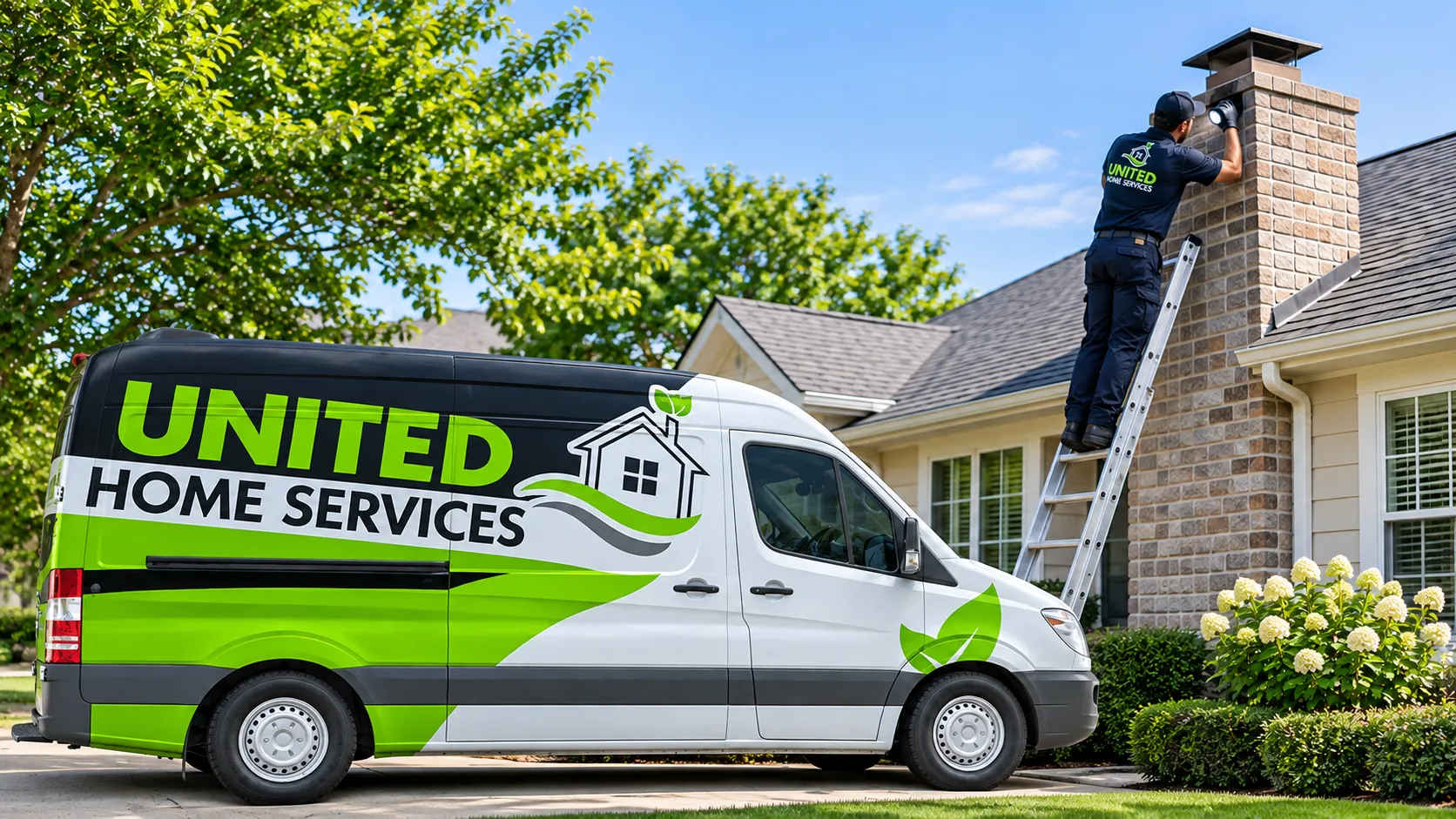

A fireplace can make a home more comfortable, but its safe operation depends on the condition of the chimney system. Hidden cracks, damaged liners, blocked flues, and deteriorating masonry can create problems that are difficult to identify without a proper inspection.
A professional chimney inspection Dallas service helps homeowners understand the condition of their chimney, identify potential safety concerns, and determine whether cleaning or repairs are necessary.
Whether you own an older property or have recently installed a fireplace, inspecting the chimney is an important part of home maintenance. DFW United Home Services provides chimney inspection services across the Dallas–Fort Worth area, helping homeowners evaluate their fireplace and chimney systems.
What Actually Happens During a Chimney Inspection?
A chimney inspection is a detailed assessment of the components responsible for safely directing smoke and combustion gases outside your home.
It is not simply a quick look inside the fireplace. A proper inspection considers the accessible interior and exterior components, identifies visible deterioration, and checks for conditions that could affect performance.
Depending on the inspection level and chimney configuration, the assessment may include:
- Flue and chimney liner condition
- Firebox and smoke chamber
- Chimney damper
- Chimney crown and cap
- Roof flashing
- Exterior brickwork and mortar joints
- Draft and ventilation
- Signs of creosote accumulation
- Animal nests or other obstructions
The purpose is to identify existing concerns and provide a clearer understanding of the chimney’s overall condition.
Understanding the Three Levels of Chimney Inspection
Not every chimney requires the same depth of examination. The appropriate inspection level depends on the system’s history, condition, and intended use.
Level 1: Routine Visual Chimney Inspection
A Level 1 inspection is generally appropriate when a chimney has been maintained regularly and no significant changes have occurred.
The inspector examines readily accessible portions of the chimney and fireplace.
This typically includes:
- Accessible flue and chimney components
- Firebox and damper
- Visible masonry
- Chimney cap and crown
- General installation and operating condition
A Level 1 inspection helps identify visible problems that may require cleaning, maintenance, or further evaluation.
Level 2: Detailed Chimney Inspection
A Level 2 inspection involves a more extensive assessment.
It is commonly recommended when purchasing a property, changing the heating appliance, modifying the chimney system, or following an event that may have damaged the chimney.
Unlike a basic visual examination, Level 2 inspection includes examination of accessible areas through additional methods, which may involve video scanning of the flue interior.
This helps identify potential problems involving:
- Cracks in the chimney liner
- Hidden deterioration
- Damage inside the flue
- Obstructions
- Problems affecting the chimney’s overall condition
For Dallas homeowners purchasing an older house, this type of inspection can provide useful information about the fireplace system before completing the transaction.
Level 3: Inspection When Hidden Hazards Are Suspected
A Level 3 inspection is the most extensive inspection category.
It may be necessary when a suspected hazard cannot be properly evaluated through Level 1 or Level 2 methods.
Depending on the circumstances, accessing concealed areas of the chimney may require removing certain building components.
This inspection is not routinely necessary for every home. It is generally reserved for situations where there is reason to suspect serious hidden damage.
8 Chimney Problems a Professional Inspection Can Reveal
Some chimney issues develop gradually and remain unnoticed until they affect fireplace operation.
Here are eight conditions worth identifying before they become more complicated.
1. Cracked or Deteriorating Chimney Liners
The chimney liner helps protect surrounding construction materials from heat and combustion byproducts.
A damaged liner can compromise the chimney system’s intended safety function.
Cracks, gaps, and deterioration may not be visible from the fireplace opening, making appropriate inspection methods important.
2. Creosote Accumulation
Creosote forms when wood combustion produces gases and particles that condense inside the chimney.
This material can accumulate along the flue walls and become increasingly hazardous as deposits build up.
Creosote is combustible, so excessive accumulation increases the risk of chimney fires.
An inspection helps determine whether cleaning is necessary.
3. Damaged Chimney Crowns
The chimney crown covers the top masonry structure and helps direct water away from the chimney.
Cracks or deterioration can allow moisture to penetrate the masonry.
Over time, this can contribute to damaged bricks, weakened mortar joints, and more extensive repairs.
4. Missing or Damaged Chimney Caps
A chimney cap helps prevent rain, leaves, debris, and animals from entering the chimney.
When the cap is missing or damaged, the system becomes more vulnerable to blockages and moisture intrusion.
An inspection can determine whether the existing cap is properly fitted and in suitable condition.
5. Deteriorating Mortar and Brickwork
Exterior masonry can weaken through prolonged exposure to weather and moisture.
Look for warning signs such as:
- Crumbling mortar joints
- Loose bricks
- Visible cracks
- Discoloration
- Pieces of masonry around the chimney base
These conditions may indicate the need for masonry repairs or further structural assessment.
6. Chimney Flashing Problems
Flashing seals the area where the chimney meets the roof.
If the flashing becomes loose, damaged, or improperly sealed, water can enter the surrounding roof structure.
A chimney inspection can help identify visible flashing problems that may contribute to interior leaks.
7. Blocked Flues and Poor Draft
A chimney needs an unobstructed passage to direct smoke and gases outdoors.
Bird nests, leaves, fallen masonry, and other debris can restrict airflow.
Poor draft may cause smoke to enter the living area rather than exit through the chimney.
8. Damaged Firebox or Damper
The firebox contains the fire, while the damper helps regulate airflow through the chimney.
Cracks, damaged joints, or malfunctioning dampers can affect fireplace performance and safety.
Inspecting these components helps determine whether maintenance or repairs are required.
When Should Dallas Homeowners Schedule a Chimney Inspection?
Waiting until something goes wrong is not the best approach to chimney maintenance.
The National Fire Protection Association recommends inspecting chimneys, fireplaces, and vents at least once a year.
However, certain circumstances may require an additional inspection.
Before the Fireplace Season
Many homeowners begin using their fireplaces when temperatures become cooler.
Scheduling an inspection before regular use helps identify creosote accumulation, blockages, and other concerns.
After Purchasing a Home
A fireplace may look attractive during a property viewing, but its internal condition may be unknown.
A chimney inspection can help identify problems that might otherwise remain hidden.
For older homes in Dallas, understanding the chimney’s condition is particularly useful when previous maintenance records are unavailable.
After a Chimney Fire
Even a chimney fire that appears to have burned out quickly can damage the liner and other components.
Do not resume fireplace use until the chimney has been appropriately inspected.
A Level 2 inspection is commonly recommended following a chimney fire.
When You Notice Water Leaks
Water entering the fireplace or appearing around the chimney may indicate damaged flashing, a cracked crown, or deteriorating masonry.
Identifying the entry point is important because simply cleaning the chimney will not resolve a structural moisture problem.
When Smoke Enters Your Home
Smoke entering the living area can indicate a draft problem, obstruction, or another issue with the fireplace system.
Stop using the fireplace and arrange a professional assessment.
Why Chimney Inspections Matter for Homes in Dallas, TX
Dallas properties include different architectural styles, fireplace designs, and chimney construction materials.
From traditional masonry chimneys to factory-built fireplace systems, each configuration has its own inspection requirements.
Local weather exposure also makes exterior chimney maintenance important.
Moisture Can Gradually Damage Chimney Structures
Rainwater entering cracks or poorly sealed areas can contribute to masonry deterioration.
Over time, moisture can affect mortar joints, chimney crowns, and surrounding roofing materials.
Regular inspection helps homeowners identify visible warning signs before damage becomes more extensive.
Wildlife Can Create Unexpected Blockages
Birds and other small animals may enter unprotected chimney openings.
Nesting materials can restrict airflow and interfere with proper ventilation.
A chimney cap and regular inspections can help reduce the risk of these problems.
Older Chimneys May Have Hidden Deterioration
Some older chimney systems may contain damaged liners, weakened mortar, or outdated construction components.
A detailed inspection helps establish the condition of the system and whether any improvements are necessary.
Chimney Inspection vs. Chimney Cleaning: Are They the Same?
Homeowners sometimes use these terms interchangeably, but they describe different services.
A chimney inspection evaluates the system’s condition, while chimney cleaning removes accumulated soot, creosote, and debris.
| Chimney Inspection | Chimney Cleaning |
| Evaluates overall condition | Removes accumulated deposits |
| Identifies visible damage | Removes soot and creosote |
| Checks accessible components | Addresses certain obstructions |
| May include camera examination | Uses appropriate cleaning equipment |
| Provides maintenance recommendations | Helps maintain a cleaner flue |
A chimney may need both services, but cleaning alone does not replace an inspection.
Likewise, an inspection does not automatically mean that every chimney requires cleaning.
The appropriate work should be determined by the system’s condition.
What Is Included in a Professional Chimney Inspection?
A professional inspection should follow a structured process rather than relying on a quick visual check.
At DFW United Home Services, the published chimney inspection service describes several important stages.
Initial Assessment
The process begins by understanding the fireplace type, chimney history, and concerns reported by the homeowner.
This helps determine which inspection level may be appropriate.
Examination of Chimney Components
The accessible chimney components are evaluated for damage, buildup, and potential obstructions.
The inspection may cover the flue, liner, crown, cap, flashing, masonry, firebox, and damper.
Video Camera Inspection
For Level 2 inspections, a video camera can be used to examine the flue interior more closely.
This provides additional visibility into areas that cannot be adequately evaluated through an ordinary visual inspection.
Inspection Findings
After the assessment, homeowners should receive an explanation of the identified conditions.
DFW United Home Services describes providing a written inspection report with findings and maintenance recommendations.
Recommended Next Steps
If the inspection identifies damage or buildup, the homeowner can discuss suitable cleaning, repair, or maintenance options.
This helps ensure that decisions are based on the actual condition of the chimney.
How Much Does a Chimney Inspection Cost in Dallas?
The cost of chimney inspection depends on the type of system and the depth of assessment required.
A routine visual inspection generally involves a different scope of work from a Level 2 inspection that includes camera examination.
Several factors can influence the price:
- Inspection level: More detailed inspections may require additional equipment and labor.
- Chimney accessibility: Height, roof access, and system configuration can affect the work involved.
- Chimney condition: Existing damage or heavy buildup may require additional evaluation.
- Fireplace type: Masonry and factory-built systems have different components.
- Additional requirements: Cleaning, repairs, or further diagnostic work may involve separate costs.
Before scheduling, ask what the inspection includes, whether a written report is provided, and whether additional services will be quoted separately.
DFW United Home Services publishes inspection pricing information based on the inspection level and chimney condition. Homeowners can contact the company for details about their specific requirements.
Why Consider DFW United Home Services for Chimney Inspection in Dallas?
Choosing an inspection provider involves considering experience, inspection methods, service coverage, and how clearly findings are communicated.
DFW United Home Services provides chimney inspection services across the Dallas–Fort Worth region.
Its published service information highlights several aspects of its chimney inspection offering:
- Level 1 and Level 2 inspection options
- Visual examination of accessible chimney components
- Camera inspection of the flue for Level 2 assessments
- Evaluation of chimney caps and crowns
- Inspection of flashing and visible masonry
- Draft and ventilation checks
- Written inspection findings and recommendations
The company also lists Dallas among its service locations.
Homeowners can review the inspection options and discuss their fireplace configuration before arranging an appointment.
Visit DFW United Home Services to explore its chimney inspection services and request further information.
Simple Ways to Maintain Your Chimney Between Inspections
Professional inspections are important, but homeowners can also take practical steps to monitor their fireplace systems.
Use suitable firewood: For wood-burning fireplaces, burn properly seasoned wood to help reduce excessive creosote formation.
Watch for unusual smells: Persistent smoky or musty odors may indicate buildup, moisture, or ventilation problems.
Check the fireplace opening: Look for visible debris, damaged components, or signs of animal activity.
Pay attention to smoke movement: Smoke should travel through the chimney rather than entering your living space.
Monitor exterior masonry: Look for cracks, missing mortar, and signs of water intrusion.
Keep records: Retain inspection reports and repair information to help establish a maintenance history.
Never attempt to inspect internal chimney components or climb onto the roof without appropriate training and safety equipment.
Is Your Dallas Fireplace Ready for Its Next Season?
A chimney can appear perfectly normal from the outside while developing problems inside the flue or around its structural components.
Regular inspections provide an opportunity to identify hidden deterioration, assess ventilation, and understand whether cleaning or repairs are necessary.
Whether you are preparing for colder weather, purchasing a home, or investigating an unusual fireplace problem, a professional inspection can provide valuable information about your chimney system.
DFW United Home Services offers chimney inspection options for homeowners across Dallas and the surrounding communities.
When was your chimney last professionally inspected? If you are unsure about its condition or have noticed signs of damage, contact DFW United Home Services to discuss the appropriate inspection for your home.
Frequently Asked Questions
1. How often should a chimney be inspected in Dallas?
Chimneys, fireplaces, and vents should be inspected at least once a year, according to NFPA recommendations. Additional inspections may be necessary after a chimney fire, significant system changes, or when problems are suspected.
2. How long does a professional chimney inspection take?
The duration depends on the chimney’s height, accessibility, condition, and inspection level. A Level 2 inspection involving camera equipment may take longer than a basic visual assessment.
3. Is a chimney inspection necessary if I rarely use my fireplace?
Yes. Even an infrequently used chimney can develop problems involving moisture, animal nests, debris, or structural deterioration. Annual inspection helps identify these concerns.
4. What is the difference between Level 1 and Level 2 chimney inspections?
A Level 1 inspection evaluates readily accessible components of the chimney. A Level 2 inspection is more extensive and includes additional examination methods, such as video scanning of the flue interior.
5. Should I get a chimney inspection before buying a house in Dallas?
Yes. A chimney inspection can reveal damage, blockages, liner deterioration, and other problems that may not be visible during a standard property viewing. A Level 2 inspection is commonly appropriate when ownership changes.