


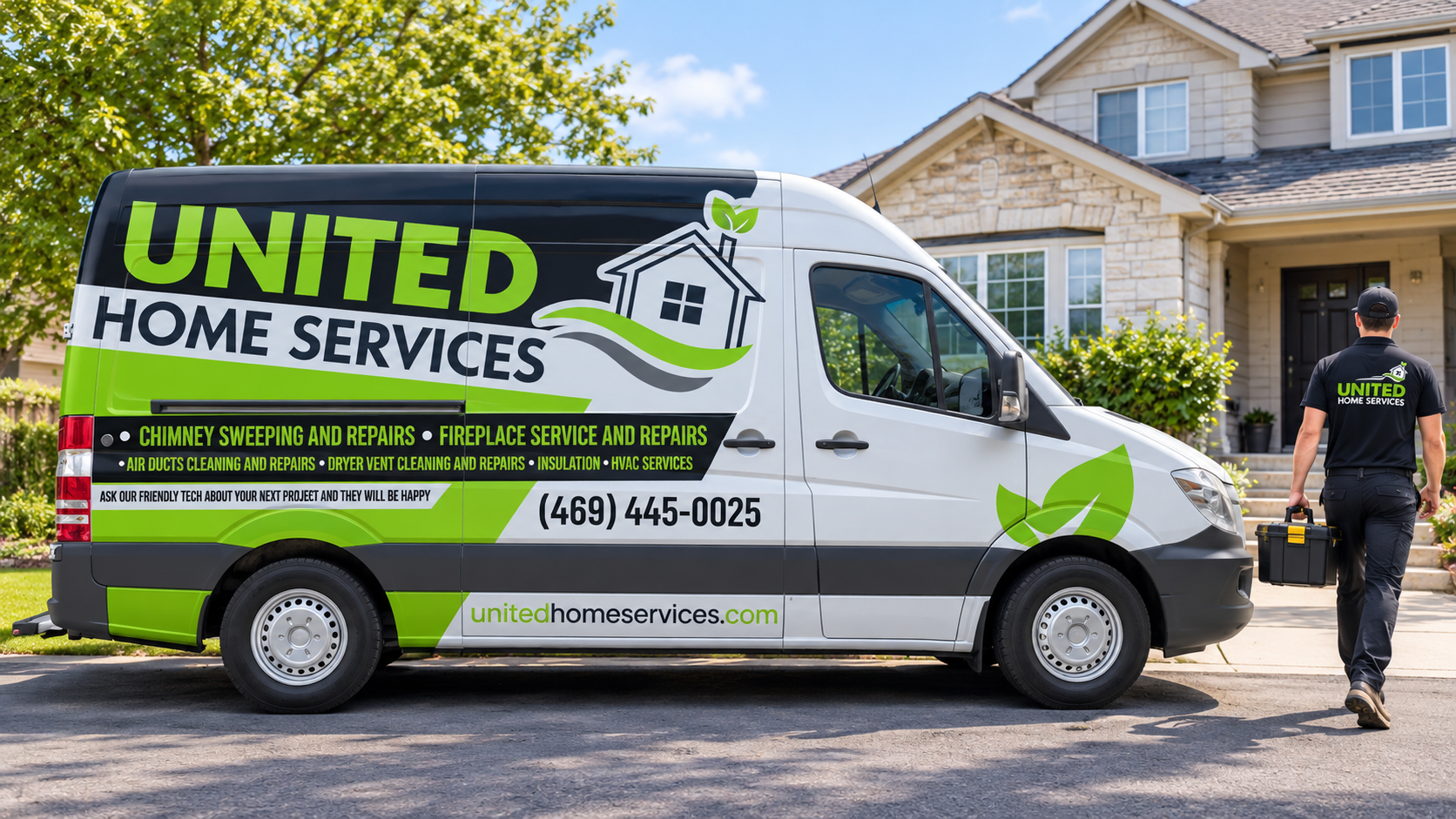

A sudden plumbing leak, electrical fault, or storm can put your property at risk within minutes. DFW United Home Services understands why fast action matters when unexpected home problems occur. For homeowners across Dallas-Fort Worth, access to 24/7 Emergency Home Services can help limit damage and reduce repair costs.
Small problems can become serious when they remain untreated overnight or during weekends. A leaking pipe may damage flooring, cabinets, and drywall. A damaged roof can allow rainwater into the attic. An electrical fault may create a fire risk.
Would you wait until morning if water started spreading across your kitchen floor? Quick access to a qualified repair team can make a major difference.
Knowing which services to call, what steps to take, and how emergency repairs work helps you protect your home. Let’s look at the common problems that need immediate attention and how professional support can help.
1. Why fast emergency home repairs matter
Home emergencies rarely happen at a convenient time. A burst pipe may occur during a cold night, or a storm may damage your roof after normal business hours.
In these situations, waiting can increase the amount of damage. Water can spread beneath flooring, enter wall cavities, and affect electrical components.
Plumbing leaks and burst pipes
A broken supply line can release large amounts of water into your home. Even a small leak beneath a kitchen sink can damage cabinets and nearby flooring.
Fast plumbing repairs help stop the water source. A technician can inspect the damaged pipe, replace faulty fittings, and check nearby connections.
During a plumbing emergency, turn off the main water supply if you can do so safely. Keep away from standing water near electrical outlets or equipment.
Electrical faults and power problems
Burning smells, sparks, buzzing outlets, and repeated breaker trips may point to electrical problems.
These signs need prompt attention. Faulty wiring can cause overheating and fire hazards.
According to the U.S. Fire Administration (2024), electrical malfunctions accounted for 7.7% of estimated residential building fires in the United States.
Never touch exposed wires or attempt repairs on live electrical equipment. Turn off power only when it is safe, then contact a qualified electrician.
Roof leaks and storm damage
North Texas weather can bring strong winds, hail, heavy rain, and severe thunderstorms. These conditions can damage shingles, flashing, gutters, and roof structures.
A small opening may allow water into the attic. Wet insulation and ceiling materials can then develop further problems.
Temporary roof protection, such as a secure tarp, can help limit water entry until permanent repairs begin. Stay away from damaged roofs and leave elevated work to qualified professionals.
Heating and cooling breakdowns
An HVAC failure can create uncomfortable indoor conditions during extreme Texas heat or winter cold.
A faulty air conditioner may leave indoor temperatures rising during summer. Heating problems can create greater risks for households during freezing weather.
Emergency HVAC technicians can inspect electrical connections, refrigerant systems, thermostats, and mechanical components. They can identify whether the system needs a repair or replacement.
2. Emergency home repair options for different problems
Every property emergency needs a different response. The correct service depends on the source of the problem, the affected materials, and the level of damage.
Homeowners in Dallas, Fort Worth, Arlington, Plano, and nearby communities may need one or more of these services.
Emergency plumbing services
Plumbing emergencies include burst pipes, overflowing toilets, broken water heaters, and serious drain blockages.
A plumber can isolate the affected line, remove damaged fittings, and restore water flow. Fast repairs can help protect drywall, flooring, and nearby furniture.
Water damage restoration
Water removal should begin as soon as the source becomes safe to address.
Restoration teams may use extraction pumps, wet vacuums, air movers, and commercial dehumidifiers. They check moisture levels in affected materials before deciding whether drying or removal is needed.
Emergency roofing and storm repairs
Roofing contractors can inspect damaged shingles, flashing, gutters, and roof decking.
Temporary coverings may help protect exposed sections from rain. Permanent repairs depend on the extent of the damage and the condition of the roof structure.
Electrical emergency repairs
Electrical contractors inspect unsafe wiring, damaged panels, faulty breakers, and electrical connections.
Some problems need immediate isolation before repairs can begin. A qualified electrician can assess the risk and restore safe operation.
HVAC emergency repairs
Heating and cooling technicians inspect equipment that stops working or develops unsafe operating conditions.
Common repairs include faulty capacitors, thermostat problems, damaged wiring, and condensate drain issues.
Comparing emergency home service options
| Service | Common emergency | First response | Main goal |
|---|---|---|---|
| Plumbing | Burst pipe | Stop water flow | Prevent flooding |
| Water restoration | Indoor flooding | Extract water | Limit moisture damage |
| Roofing | Storm damage | Temporary roof cover | Stop water entry |
| Electrical | Burning smell | Isolate unsafe circuit | Reduce fire risk |
| HVAC | System failure | Inspect equipment | Restore safe operation |
| General repairs | Structural damage | Secure affected area | Protect the property |
Choosing the right service early can prevent unrelated damage from spreading through the property.
3. How emergency home service professionals handle urgent repairs
A clear repair process helps homeowners understand what happens after they request assistance. The exact steps depend on the type of emergency and the condition of the property.
Step 1: Assessing the emergency
The service team first asks about the problem, its location, and any immediate safety concerns.
For example, a homeowner reporting a burst pipe may need to shut off the water supply before the technician arrives. A suspected electrical fire requires emergency services rather than a routine repair appointment.
Step 2: Controlling the immediate problem
The first priority is to stop further damage.
A plumber may isolate a broken water line. A roofer may cover an exposed roof section. An electrician may disconnect an unsafe circuit.
These temporary measures help protect the property until permanent repairs can begin.
Step 3: Inspecting affected areas
Once the immediate risk is under control, technicians inspect the damaged areas.
They may check walls, ceilings, flooring, wiring, insulation, and plumbing connections. Moisture meters and thermal cameras can help identify hidden water damage.
A proper inspection helps prevent missed problems that could cause further repairs later.
Step 4: Completing the necessary repairs
The next stage involves fixing the source of the problem.
This may include replacing damaged pipes, repairing roof sections, restoring electrical connections, or servicing HVAC equipment.
If materials need replacement, the contractor should explain the available options and expected costs before proceeding.
Step 5: Checking the completed work
After repairs, technicians test the affected equipment or systems.
They may check water pressure, electrical operation, HVAC performance, or roof protection. For water-related incidents, moisture checks can help determine whether further drying is necessary.
A written report and photos can help with insurance documentation.
4. Emergency repair costs in Dallas-Fort Worth
Unexpected repairs can affect your household budget. The final price depends on the type of damage, the time of the call, and the materials needed.
According to Angi’s Dallas emergency plumbing cost guide, updated in August 2026, emergency plumber costs range from approximately $103 to $516. Complex repairs and additional water damage can increase the total.
Here are the main factors that affect emergency service pricing.
Time of the emergency call
Evening, overnight, weekend, and holiday appointments may carry higher labour charges.
Some contractors charge an emergency dispatch fee before starting the repair. Ask whether this fee forms part of the final bill.
Severity of property damage
A loose pipe connection may need a simple repair. A burst pipe that floods several rooms can require water extraction, drying, drywall removal, and flooring replacement.
The longer water remains inside building materials, the greater the chance of additional restoration work.
Materials and replacement parts
Repair costs depend on the materials required.
Copper pipes, PVC fittings, electrical components, roofing shingles, insulation, and HVAC parts have different prices.
The contractor should explain which materials need replacement and why.
Labour and specialist equipment
Some emergencies require more than one technician. Water restoration may need extraction equipment and industrial drying machines.
Roof repairs may require specialist safety equipment and temporary weather protection. These requirements can increase the total cost.
Insurance and emergency documentation
Your homeowners insurance may cover certain sudden and accidental losses, depending on your policy.
Take photos before cleanup when it is safe. Keep receipts, repair estimates, and contractor reports. Contact your insurer promptly and ask which emergency measures your policy covers.
5. Choosing a reliable emergency home repair company
When a home emergency occurs, homeowners need clear answers and practical support. Choosing a contractor based only on the first advertised price can lead to problems.
What should you check before approving emergency work?
Start with the company’s service area and availability. Confirm that it handles your type of emergency and can explain the expected response time.
DFW United Home Services is a company homeowners can consider when comparing emergency home repair options across the Dallas-Fort Worth area. A local service provider should understand regional weather conditions and common residential repair needs.
Check qualifications and insurance
Electrical, plumbing, and HVAC work may require specific licences or registrations in Texas.
Ask for proof of relevant qualifications and liability insurance. For electrical work, check the contractor’s Texas Department of Licensing and Regulation credentials where applicable.
Request clear pricing
Ask for a breakdown of the service call, labour, replacement parts, and any extra charges.
A reliable contractor should explain the difference between temporary protection and permanent repairs. Get written approval before major additional work begins.
Confirm the repair process
Ask how the contractor will identify the source of the damage.
For water problems, find out whether the inspection includes hidden moisture. For roof damage, ask whether the contractor checks flashing, shingles, and the underlying structure.
Understand local permits and building codes
Emergency work does not remove the need to follow local building requirements.
The City of Fort Worth uses adopted International Building, Plumbing, Mechanical, and Electrical Codes with local amendments. Its building rules address emergency repairs and permit requirements.
Under Fort Worth Building Code Section 105.2.1, certain emergency repairs and equipment replacements require a permit application by the next business day.
Permit rules can differ across Dallas, Fort Worth, Arlington, and other DFW municipalities. Check the relevant building department before permanent structural, plumbing, or electrical alterations.
6. How quick action helps prevent long-term property damage
The first few hours after an emergency can affect the amount of repair work a property needs.
According to the National Fire Protection Association (NFPA, 2025), fires in the United States caused an estimated $19 billion in direct property damage during 2024.
This shows why early emergency response and safe repair work matter.
Preventing mold after water leaks
Moisture trapped inside drywall, carpets, and insulation can support mold growth.
After a leak, remove standing water and begin proper drying as soon as conditions are safe. Restoration professionals may use moisture meters and dehumidifiers to monitor affected areas.
The EPA advises homeowners to dry wet materials within 24 to 48 hours when possible to reduce mold growth.
Protecting floors, walls, and ceilings
Water can travel beneath laminate flooring and behind wall coverings. It may damage wooden framing and weaken ceiling materials.
Quick extraction and controlled drying can limit the spread. Damaged materials may still need removal if they cannot dry safely.
Reducing further electrical and fire risks
Water near electrical systems creates a serious safety concern. Never touch wet electrical panels, outlets, or appliances.
Contact emergency services if you suspect an electrical fire or another immediate threat. A qualified electrician should inspect affected circuits before power returns.
Avoiding larger repair projects
A small roof leak may need limited repairs if addressed early. If ignored, water can damage insulation, ceiling boards, and roof framing.
A licensed contractor in DFW would typically advise homeowners to stop the source first, document the damage, and arrange a full inspection before starting permanent repairs.
Frequently asked questions
1. What are 24/7 Emergency Home Services?
24/7 Emergency Home Services provide access to urgent property repairs outside normal business hours. These services can include plumbing, electrical, roofing, HVAC, and water damage response. They help homeowners address problems that may become more serious if left untreated overnight, during weekends, or on public holidays.
2. What home emergencies need immediate attention in Dallas-Fort Worth?
Burst pipes, active roof leaks, electrical sparks, gas leaks, and serious flooding need prompt attention. Gas leaks and suspected fires require emergency services and evacuation. For other urgent problems, contact a qualified repair professional and follow safe instructions until help arrives.
3. How quickly should I call an emergency plumber in DFW?
Contact an emergency plumber as soon as you identify a serious leak, burst pipe, or overflowing fixture. Turn off the main water supply if safe. Early action can reduce damage to cabinets, flooring, drywall, and other building materials.
4. How much do emergency home repairs cost in Dallas, TX?
Costs depend on the problem, labour, replacement parts, and appointment time. Emergency plumbing calls in Dallas range from approximately $103 to $516 according to Angi’s 2026 cost guide. Major restoration, roofing, and electrical work may require separate estimates.
5. Can emergency water damage repairs prevent mold growth?
Fast water extraction and proper drying can reduce the risk of mold growth. Wet carpets, drywall, and insulation need prompt attention. The EPA recommends drying wet materials within 24 to 48 hours when possible. Hidden moisture may require professional inspection and monitoring.
6. Are emergency repair services available in Fort Worth and nearby cities?
Availability depends on the contractor’s service area and current staffing. Homeowners should confirm coverage for Fort Worth, Dallas, Arlington, Plano, Irving, and surrounding communities before booking. Ask about after-hours availability, estimated arrival time, and any emergency service charges.
7. Does emergency home repair work require a permit in Texas?
Some emergency repairs require permits, particularly work involving structural changes, electrical systems, plumbing, or mechanical equipment. Requirements vary by municipality. Fort Worth has specific rules for emergency repair permit applications. Ask the contractor to confirm the local requirements before permanent work begins.
8. What should I do before an emergency repair technician arrives?
Keep people and pets away from the affected area. Shut off water or electricity only when it is safe. Take photos of the damage and move belongings away from danger. Do not enter flooded areas with possible electrical hazards or climb onto a damaged roof.
9. Can emergency roofing services protect a home during Texas storms?
Emergency roofing teams can install temporary coverings, secure loose materials, and inspect visible damage. These steps may reduce further water entry until permanent repairs are possible. Hail, strong winds, and heavy rain can damage shingles and flashing, so arrange a full roof inspection afterward.
10. How do I choose an emergency home service company in DFW?
Check the company’s service area, relevant licences, insurance, and experience with your type of emergency. Request clear pricing and ask about its inspection process. A written estimate, photos, and repair documentation can help you understand the work and support an insurance claim.
Protecting your home starts with a quick response
Unexpected property problems can become expensive when repairs are delayed. Keep emergency contact details available and learn where your main water and electrical shutoffs are located. When damage occurs, focus on safety, stop the source when possible, and arrange a professional inspection. DFW United Home Services can be considered when comparing local emergency repair options. Ask about the services available for your property and request a clear estimate before permanent work begins. A timely response can help protect your home and prevent further damage.


