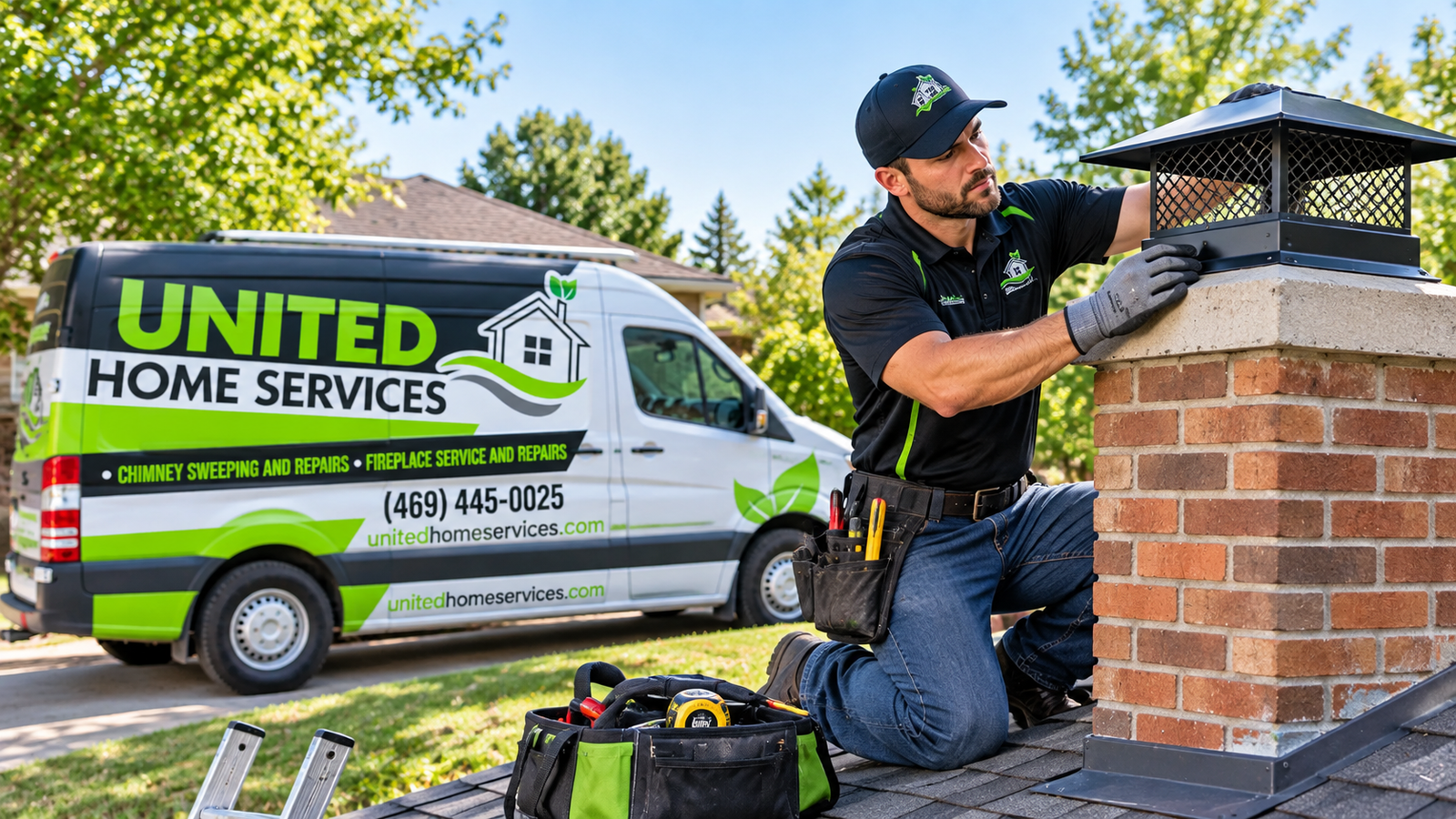

Adding a chimney can change how your home looks, feels, and functions. It can support a traditional fireplace, improve your living space, and create a comfortable place for family gatherings. Yet a successful project needs more than attractive brickwork. You must plan for ventilation, roof structure, fire safety, materials, and local building rules.
At DFW United Home Services, we understand why homeowners across the Dallas-Fort Worth area consider adding a chimney during a home improvement project. Some want a traditional wood-burning fireplace. Others prefer a gas fireplace with a modern design and less daily maintenance.
But where should you begin? The right choice depends on your home, heating needs, available space, and budget. Understanding these seven important points can help you make informed decisions before construction begins.
1. Understand Why Your Home Needs a Chimney
A fireplace can make a living room feel more welcoming, but its chimney must serve a practical purpose. It carries smoke, combustion gases, and other by-products safely outside. A properly planned system supports good airflow and helps prevent dangerous gases from entering your living space.
In North Texas, homeowners may add chimneys during new construction, major renovations, or fireplace upgrades. Although winters in the Dallas-Fort Worth area are often mild, cold weather can still make a fireplace useful.
What type of experience do you want from your fireplace?
A wood-burning fireplace creates a traditional atmosphere and produces real flames. A gas fireplace provides convenient operation and requires a different venting arrangement. Your fuel choice will affect the chimney design, installation method, and future maintenance.
Think about these practical points before making a decision:
-
Your primary reason for adding a fireplace.
-
Available indoor and outdoor space.
-
Fuel availability and operating costs.
-
Roof design and structural support.
-
Future cleaning and inspection needs.
The chimney must work with the fireplace appliance. Choosing a fireplace first without considering its venting requirements can create costly design changes later.
Wood smoke deserves attention, too. The US Environmental Protection Agency explains that wood smoke contains fine particles that can affect respiratory health. Efficient appliances, properly seasoned wood, and correct ventilation help reduce exposure.
2. Compare Chimney Types and Construction Materials
Your material choice affects the appearance, installation cost, weight, and long-term care of your chimney. Some homeowners prefer traditional masonry. Others choose factory-built metal systems because they suit modern construction and specific fireplace models.
Which option fits your property?
Masonry chimneys
Brick and stone chimneys remain popular for traditional homes. They can complement exterior brickwork and create a permanent architectural feature.
Brick offers a familiar appearance and can suit many North Texas properties. Stone provides a different finish, though it may require more specialised installation and a larger budget.
Masonry construction needs a suitable foundation or structural support. The contractor must account for the chimney’s weight and its connection to the house.
Prefabricated metal chimneys
Factory-built metal chimneys use approved components designed for compatible fireplace appliances. Their lighter construction can make them suitable for certain new-build and renovation projects.
They can require less structural support than heavy masonry systems. Yet correct clearances, insulation, flue sizing, and manufacturer instructions remain necessary.
Stainless steel chimney systems
Stainless steel components are common in modern venting systems. Their corrosion resistance makes them useful for suitable wood-burning and gas appliances.
The correct grade and product specification depend on the appliance and operating conditions. A contractor should never select a flue based on appearance alone.
Concrete and stone finishes
Concrete components and stone finishes can provide a solid exterior appearance. Their suitability depends on the complete chimney design, weather exposure, structural loading, and approved construction details.
A decorative outer finish does not replace the required flue liner or internal fire protection.
Chimney option comparison
| Chimney type | Typical cost range | Main benefit | Maintenance |
|---|---|---|---|
| Prefabricated metal | $3,000–$4,500 | Faster installation | Regular inspections |
| Brick masonry | $5,000–$10,000 | Traditional appearance | Mortar and crown checks |
| Stone masonry | $5,000–$15,000+ | Custom exterior finish | Masonry inspections |
| Stainless steel system | Project dependent | Corrosion resistance | Flue and component checks |
These are broad US project estimates, not confirmed DFW quotations. Actual costs depend on the fireplace, chimney height, labour, structural work, and selected materials.
HomeGuide’s 2026 cost data places prefabricated chimney installation around $3,000–$4,500. Its estimates for standard brick or stone construction range from $5,000–$10,000. Custom designs can cost more.
3. Know How Chimney Installation Works
A well-managed project follows a clear sequence. Each stage helps prevent problems with ventilation, structural support, and fire protection.
What happens after you approve the design?
Step 1: Property assessment
The contractor reviews your home, roof structure, proposed fireplace location, and available installation space. They check whether the existing structure can support the planned system.
Step 2: Fireplace and chimney selection
You select a compatible fireplace and venting arrangement. The contractor checks the manufacturer’s installation instructions, flue requirements, and clearances.
Step 3: Structural preparation
The installation team prepares the foundation, framing, roof opening, and required supports. Masonry systems may need substantial structural preparation.
Step 4: Flue and chimney construction
The team installs the flue, chimney components, insulation, and required protective materials. Every connection must match the approved system specifications.
Step 5: Roof flashing and weather protection
Proper flashing helps prevent rainwater from entering around the roof opening. The contractor fits the chimney cap and checks exterior joints.
Step 6: Final inspection and testing
The completed system needs appropriate checks before use. These may include draft testing, connection checks, clearance verification, and inspection of the fireplace and venting components.
Consider a homeowner in Plano who wants to add a wood-burning fireplace to an existing family room. The original roof was not designed for a chimney. The project may require new structural support, roof modifications, suitable flashing, and a correctly sized flue.
Planning these details before construction can prevent unnecessary delays.
4. Understand Chimney Installation Costs in Dallas-Fort Worth
Your final budget depends on the type of chimney, fireplace, construction method, and condition of the property. A simple factory-built system and a large custom masonry chimney are very different projects.
According to Angi’s 2026 chimney cost research, a new prefabricated model can cost approximately $700–$7,200 as a product or replacement component. Full chimney replacement can reach $10,000–$15,000.
These figures describe different project scopes, so they should not be treated as interchangeable installation quotations.
For a new chimney installation in the Dallas-Fort Worth area, consider the following cost factors:
-
Materials: Brick, stone, concrete, and stainless steel have different purchase and installation costs.
-
Chimney height: Taller structures need additional materials, labour, and support.
-
Roof modifications: Cutting an opening, fitting flashing, and repairing roofing can increase the budget.
-
Structural work: Additional framing or foundation work may be necessary.
-
Fireplace selection: Wood-burning and gas appliances have different equipment and venting requirements.
-
Permits and inspections: Local fees and approval requirements vary by municipality.
Why is an on-site assessment so useful?
A contractor can examine the roof, building layout, and proposed fireplace location before preparing an estimate. This helps identify costs that a basic online calculator cannot account for.
Ask for a written breakdown of materials, labour, structural work, permits, and final testing. You should understand what the quoted price includes before construction starts.
5. Check Local Permits, Building Codes, and Fire Safety
Building regulations deserve attention before anyone cuts through a roof or changes the structure of your home. Permit requirements can differ between Dallas, Fort Worth, Plano, Frisco, and other surrounding communities.
The City of Fort Worth publishes residential building permit requirements and uses adopted International Residential Code provisions with local amendments. Dallas maintains its own construction codes and permit rules.
Your project may require a residential building permit, depending on the proposed work and local regulations. Structural alterations, fireplace construction, and related mechanical work can trigger additional approvals.
The National Fire Protection Association’s NFPA 211 standard covers chimney construction, fireplace installation, venting systems, and solid-fuel appliances. Its requirements address important matters such as flue sizing, chimney height, and clearance from combustible materials.
A qualified contractor should review the applicable local code and appliance instructions before work begins.
Pay attention to these safety details:
-
Correct distance between the chimney and combustible framing.
-
Suitable flue liner and chimney components.
-
Proper chimney height and termination.
-
Secure roof flashing and weather protection.
-
Appropriate carbon monoxide protection.
-
Access for future inspection and cleaning.
Never assume that a chimney is safe because smoke appears to leave the house. Poor draft, damaged connections, and incorrect clearances can create serious hazards.
6. Choose a Contractor With Relevant Chimney Experience
The person installing your chimney should understand more than general building work. Chimney construction involves masonry, ventilation, fire protection, roof integration, and appliance compatibility.
A licensed contractor in the Dallas-Fort Worth area would typically recommend reviewing the fireplace specifications before finalising the chimney layout. This helps prevent mismatched flue dimensions and unsafe installation clearances.
When comparing contractors, ask about their experience with your chosen chimney type. Request details about previous projects, insurance coverage, installation procedures, and local permit requirements.
You should ask these questions before signing an agreement:
-
Have you installed this type of chimney before?
-
Will you check the roof structure and required support?
-
Which chimney components and materials will you use?
-
Who will handle permits and required inspections?
-
How will you verify proper draft and clearances?
-
What maintenance will the completed system need?
A specialist working in the local home-service market, such as DFW United Home Services, can be a relevant company to discuss when assessing chimney-related project requirements.
A general handyman may handle basic repairs, but a new chimney needs knowledge of specialised venting and fire-safety requirements. Compare the actual qualifications, insurance, and project scope rather than relying on a low initial quote.
7. Plan for Maintenance and Long-Term Performance
Construction does not mark the end of chimney care. Regular maintenance helps identify damage before it affects the fireplace or surrounding structure.
North Texas weather brings hot summers, heavy rain, seasonal storms, and occasional freezing conditions. These changes can affect exterior masonry, mortar joints, flashing, and chimney caps.
Brick and mortar can develop cracks. Metal components can show corrosion or wear. Roof flashing can loosen, allowing moisture to enter the building.
What should you check after installation?
Start with the chimney cap, crown, flashing, visible masonry, and exterior joints. Watch for water stains near the fireplace or ceiling. Smoke entering the room, unusual odours, and poor draft can indicate a problem.
Wood-burning fireplaces need regular flue inspections and cleaning to manage soot and creosote. Gas systems need checks of their burners, connections, and venting components.
Arrange a professional inspection at least once a year for a regularly used fireplace, with cleaning based on the appliance and inspection findings. Follow the manufacturer’s maintenance instructions for your specific system.
A small maintenance issue can become a costly repair if moisture or damaged components go unchecked.
Frequently Asked Questions About Chimney Installation
1. How much does chimney installation cost in Dallas-Fort Worth?
The price depends on the chimney type, materials, height, fireplace, and structural work. A prefabricated system may cost around $3,000–$4,500, based on HomeGuide’s 2026 estimates. Brick or stone construction may range from $5,000–$10,000. Custom projects can exceed these figures. A property assessment provides a more accurate estimate.
2. How long does it take to install a new chimney?
A prefabricated chimney may take a few days once the site is ready. A masonry chimney can take longer because it requires foundation preparation, brickwork, mortar curing, and roof modifications. Weather, permit approval, material availability, and structural changes can affect the schedule. Ask your contractor for a project timeline before work begins.
3. Do I need a permit for chimney installation in Fort Worth, TX?
You may need a building permit for a new chimney, fireplace, or related structural changes. Fort Worth follows adopted building codes with local amendments. The exact requirements depend on the project scope and property. Check with the city’s Development Services Department before construction begins. Your contractor should clarify which permits and inspections apply.
4. Is a brick chimney better than a metal chimney?
Both options can work well when installed correctly. Brick offers a traditional appearance and suits many masonry homes. Metal systems are lighter and can work with compatible factory-built fireplaces. Your choice should depend on the appliance, structural support, budget, and maintenance needs. Correct flue sizing and safe clearances matter more than appearance alone.
5. What is the most suitable chimney material for Texas weather?
Brick, stone, and approved metal systems can all suit North Texas homes. The main concern is how each material handles moisture, heat, temperature changes, and exposure to storms. Proper flashing, weather protection, and suitable corrosion-resistant components help maintain performance. Your contractor should select materials according to the complete system design.
6. Can I add a chimney to an existing home in Plano, TX?
Yes, many existing homes can accommodate a new chimney. The project requires an assessment of the roof, framing, fireplace location, and available structural support. The contractor must plan the flue route and roof opening carefully. Local permit requirements should be checked before work begins. Some homes may need additional structural modifications.
7. How often should a residential chimney be inspected?
An annual professional inspection is a sensible schedule for a regularly used fireplace. The inspection can identify creosote deposits, damaged mortar, loose flashing, blocked flues, and worn components. Wood-burning systems may need cleaning based on how frequently they operate and the amount of buildup. Gas systems require checks suited to their equipment.
8. What affects the cost of installing a masonry chimney?
Chimney height, brick or stone selection, foundation work, labour, roof access, and structural support all affect the total price. A complex roof design can increase installation time. Custom exterior finishes may add further expense. Ask for separate material and labour estimates so you can understand the full project budget.
9. Can I install a wood-burning fireplace without a traditional brick chimney?
Yes. Some wood-burning fireplaces use approved factory-built metal chimney systems instead of traditional masonry construction. These systems must match the fireplace manufacturer’s specifications. Correct flue sizing, insulation, installation clearances, and roof termination are necessary. A professional should check the entire venting arrangement before the fireplace is used.
10. What should I check before hiring a chimney contractor in Dallas, TX?
Review the contractor’s relevant installation experience, insurance, references, and understanding of local building requirements. Ask which materials they plan to use and how they will handle structural support, flashing, and final testing. Request a written estimate with a clear scope of work. A qualified specialist should explain the installation process in plain language.
11. How can I prevent chimney leaks after installation?
Proper roof flashing, a suitable chimney cap, sound masonry joints, and a correctly built crown help limit water entry. Inspect the exterior after severe storms and look for cracks or water stains near the fireplace. Arrange repairs when you notice damage. Regular inspections help identify moisture problems before they affect surrounding building materials.
12. Is chimney installation worth it for a home in North Texas?
It can be worthwhile if a fireplace suits your home’s layout, heating preferences, and long-term plans. A well-planned system can add a useful feature and improve the appearance of a living space. Yet the purchase price, fuel, inspections, and maintenance all matter. Compare the complete ownership costs before choosing your design.
Final Thoughts
Adding a chimney requires careful planning, suitable materials, and proper installation. From choosing between masonry and metal systems to checking local permits, each decision affects safety and long-term performance. Start with an assessment of your home’s structure and fireplace requirements. DFW United Home Services is a local company to consider when discussing chimney-related home service needs in the Dallas-Fort Worth area. A clear project plan can help you make practical decisions and prepare your home for years of fireplace use.